EncontrADA: Entanglements strengthens networks and expands the circulation of knowledge in Serrinha do Alambari
24 August - 2026
Over four days, the eighth edition brought together 20 activities and 40 hours of programming, connecting practices of care, autonomy, art, and debates on masculinities across different spaces in Serrinha do Alambari.
Between July 30 and August 2, Silo – Art and Rural Latitude held the eighth edition of EncontrADA 2026: Entanglements, in the Serrinha do Alambari Environmental Protection Area (RJ), in the Serra da Mantiqueira mountain range. The program was free and brought together workshops and activities open to the community, including a conversation on care-centered masculinities for male audiences and another on the current challenges of educating boys, with educators. The program also reached the Moacir Coelho da Silveira Municipal School, the Tourist Assistance Center (Resende Tourism Department), and the Pé de Grumixama Bistrô — after all, as we know, the territory is an active part of building the gathering.
Over the four days, 16 facilitators, artists, and invited groups took part in the program, which welcomed 470 people. There were 20 different activities and 40 hours of programming, including workshops, body practices, educational actions, children’s activities, and three nights of cultural programming. This edition of EncontrADA, our feminist assembly, once again brought together people of different generations, territories, and fields of work to celebrate life and reflect on the moment we are living.
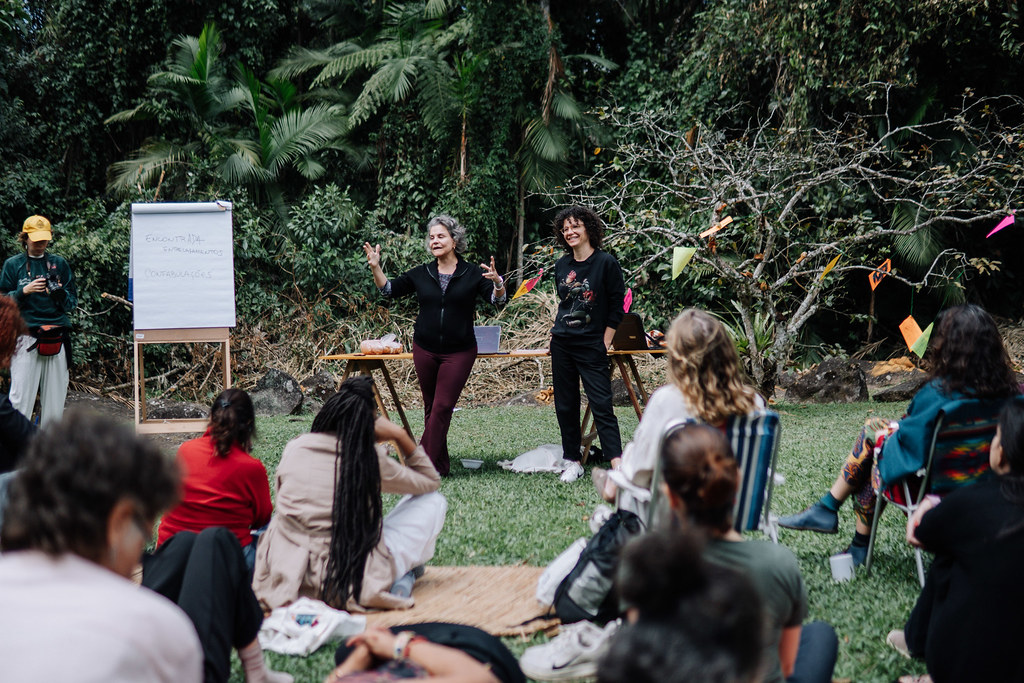
For 9 years, Silo has been fostering encounters between knowledge produced in different contexts, working from the horizontality of knowledge, equity, diversity, and the connection between countryside and city. At EncontrADA, this took concrete shape as ancestral practices, health, art, education, popular culture, and feminist debates shared the same program, open to the community.
Four days, different ways of entangling
The eighth edition’s program was built around the concept of Entanglements, a proposal to strengthen connections between different feminisms, social movements, territories, ancestral knowledge, community practices, art, technology, and socio-environmental justice. The edition was conceived as a feminist assembly of collective intelligence, oriented toward producing shared visions of the future and shared strategies.
July 30 | Knowledge, creation, and territory
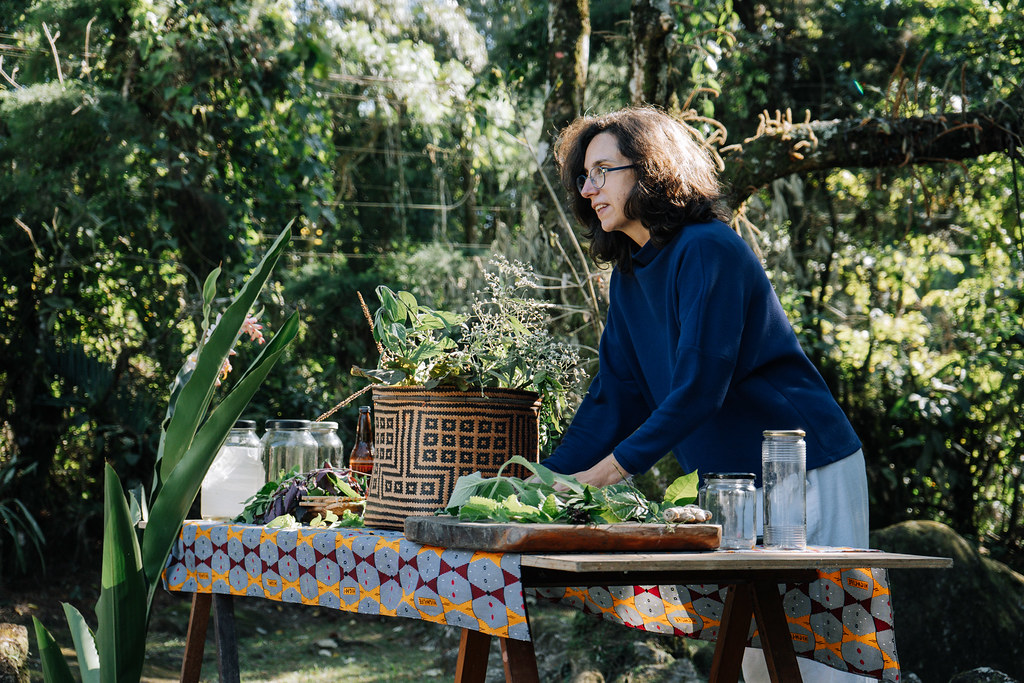
The first day brought together practices passed down between generations, artistic creation, audiovisual work, and education. Helena Sá Motta opened the program with Fitoterapia Caseira: Plantas de Cá, a home remedies workshop, while Gisele Ferreira led Terra Crua, Corpo Nu, an experience of creating sculptures with clay. In the afternoon, Arasy Benítez and Maryah Monteiro explored the relationships between body, camera, and movement in Sempre Mais Que Um: Corpo-Câmera e Movimento.
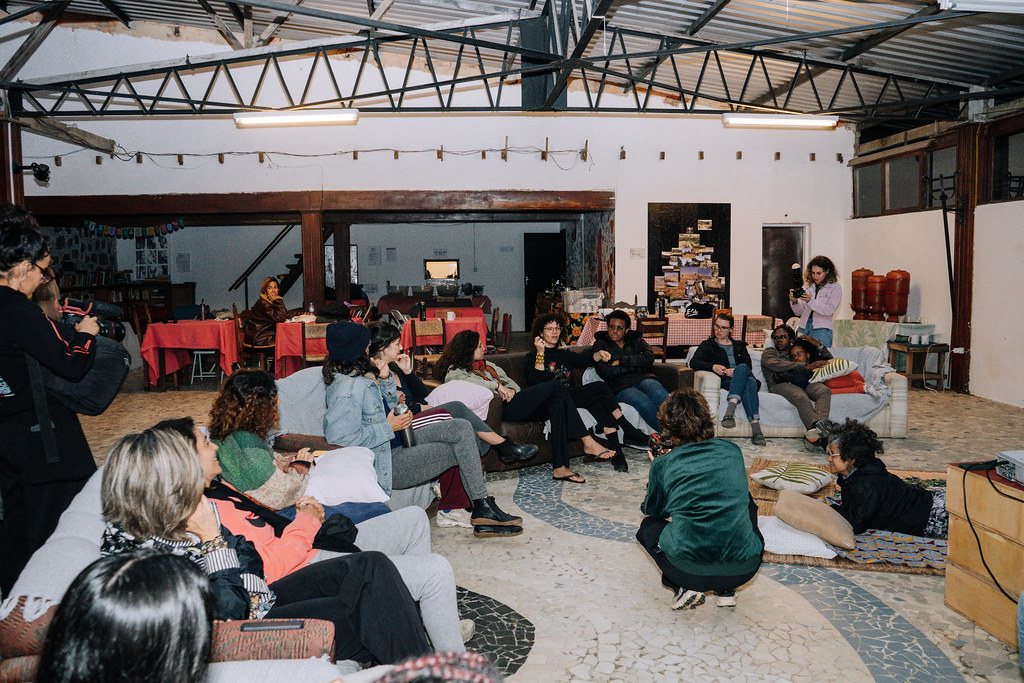
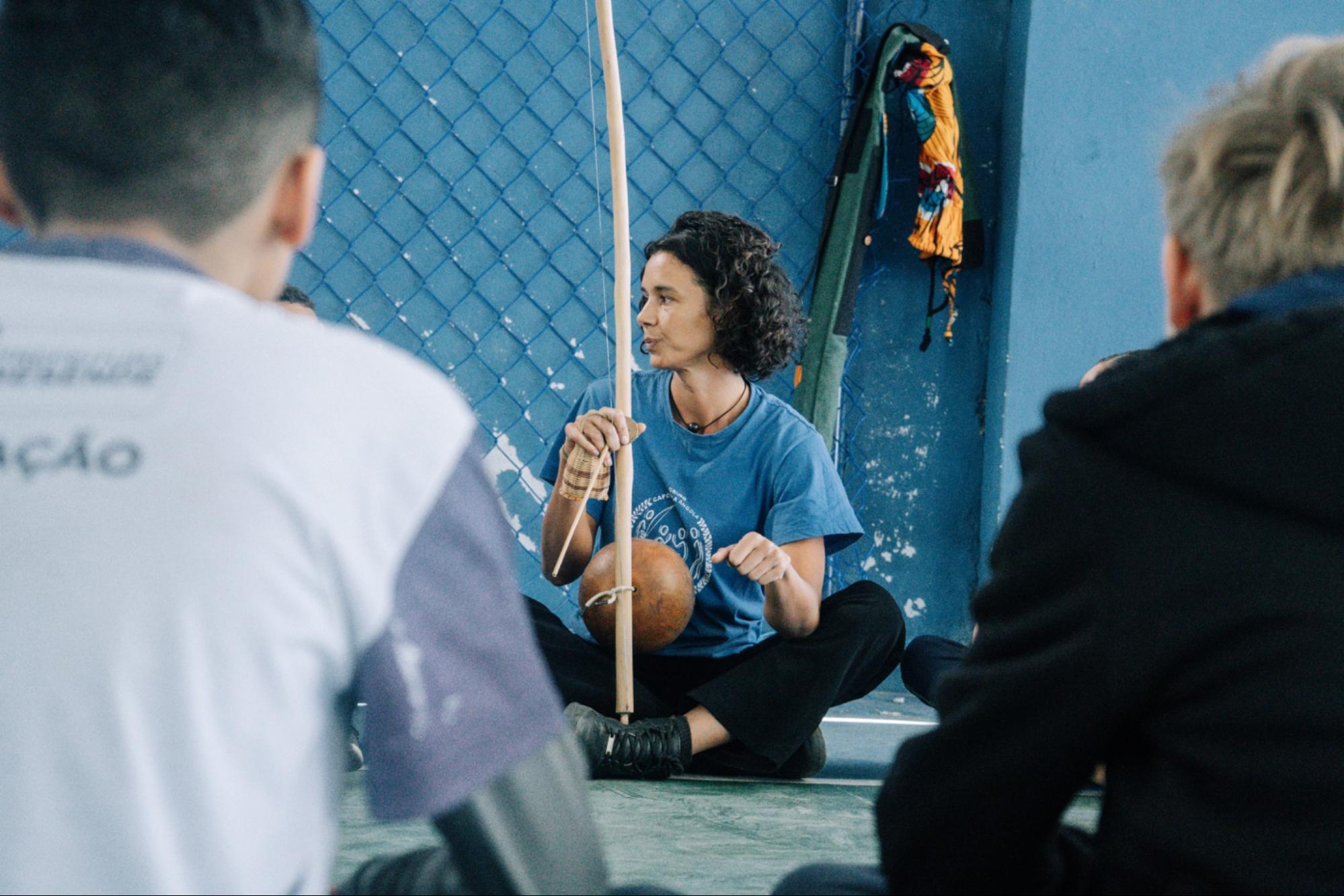
EncontrADA also reached the Moacir Coelho da Silveira Municipal School, where Nuala led a Capoeira Angola workshop with 6th and 7th grade students. In the evening, the Feminist Film Club Vídeos Táticos, led by Tatiana Wells and Giseli Vasconcelos, opened the cultural program at the Silo Warehouse, bringing the story of EncontrADA’s origins in 2012, rooted in its connection to different political and feminist movements of the time.
July 31 | Different ways of producing knowledge
On Friday (31), health, traditional knowledge, education, and body expression simultaneously occupied different spaces of EncontrADA. The Silo Warehouse hosted Afinal, o que é Acessibilidade? [After All, What Is Accessibility?], led by Virgínia Maria Barcellos, and Introdução à Ballroom e Práticas Pedagógicas [Introduction to Ballroom and Pedagogical Practices], with Lua Brainer. Helena Sá Motta continued the Home Herbal Medicine workshop begun the previous day.
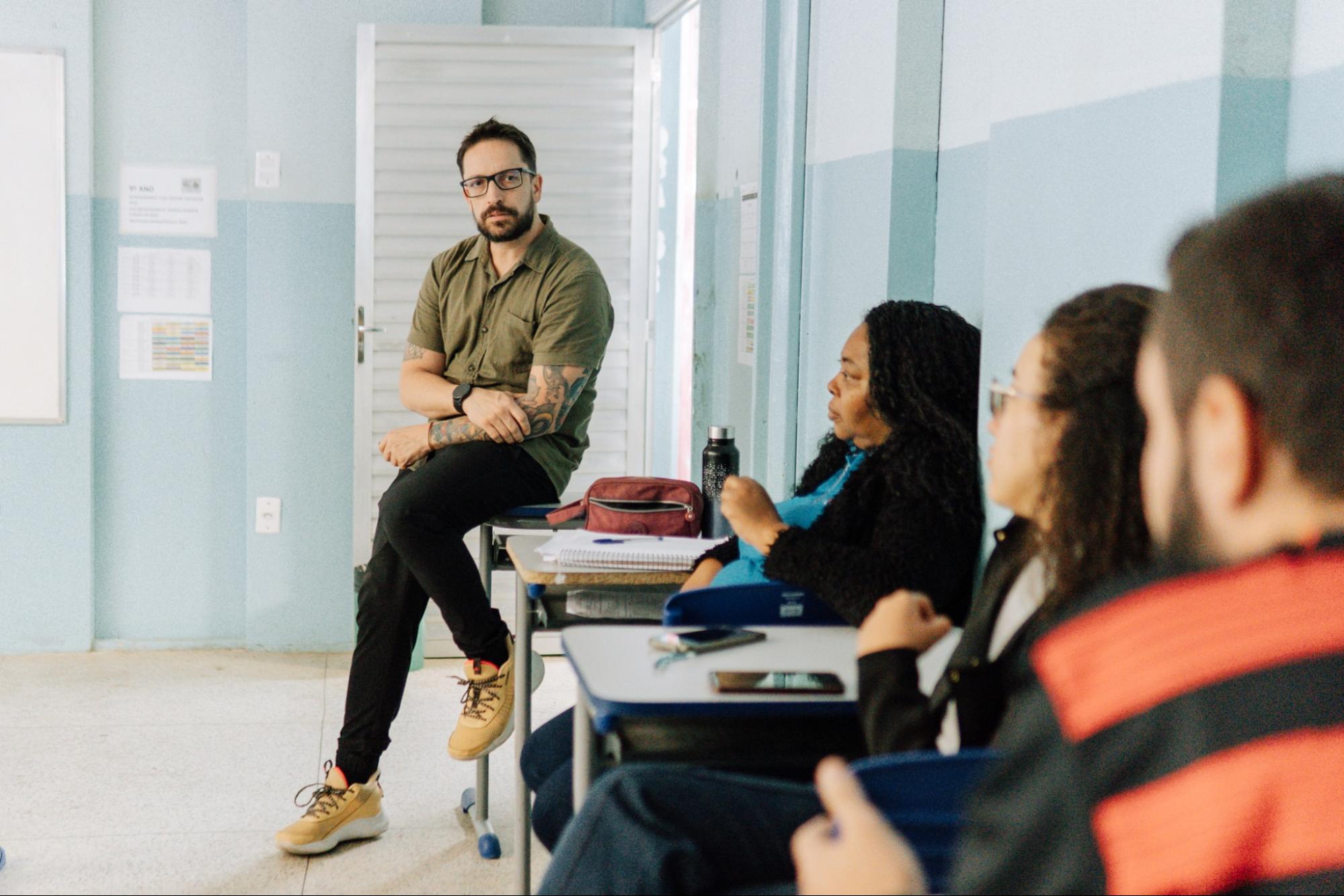
Different approaches shared the activities held at the Serrinha do Alambari Tourist Assistance Center (CAT). Camila Bogéa led Construindo Saídas: Psicanálise, Autonomia e Política do Cuidado em Tempos de Violência [Building Ways Out: Psychoanalysis, Autonomy, and the Politics of Care in Times of Violence]. Dr. Fátima Oladejo, a gynecologist and obstetrician, led Ginecologia Natural [Natural Gynecology], addressing the body’s transformations from menarche to menopause. The program also reached the Moacir Coelho da Silveira Municipal School. Educators took part in the workshop Desafios de Educar Meninos Hoje [The Challenges of Educating Boys Today], while 8th and 9th grade students received a new Capoeira Angola workshop with Nuala.
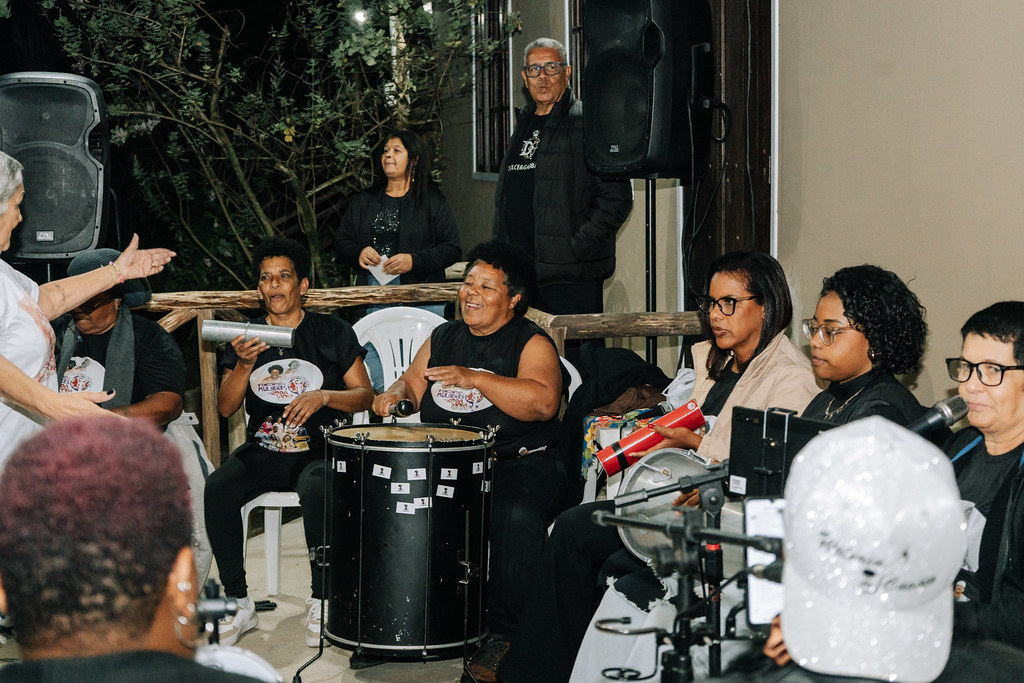
In the evening, EncontrADA continued at the Pé de Grumixama Bistrô. The Awards Show opened the program, and Toque de Dandara, a samba group formed by women from the region, led the samba circle, bringing together music and women’s leadership in popular culture. The program was free and open to the public.
August 1 | Body and care
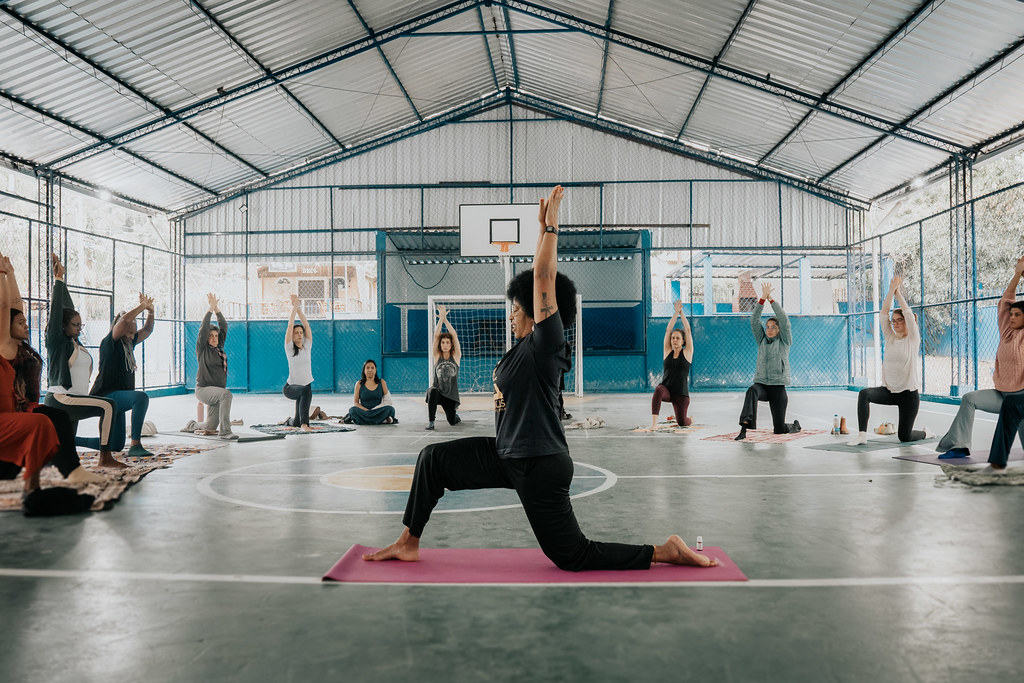
Saturday brought ancestral technologies and body practices into dialogue. On the Municipal School’s court, Nanda Rocha led Yoga Kemética: Tecnologia Ancestral Africana [Kemetic Yoga: African Ancestral Technology] for emotional and mental regulation. At Silo, Dora Selva held Viva Pelve, with body listening practices.
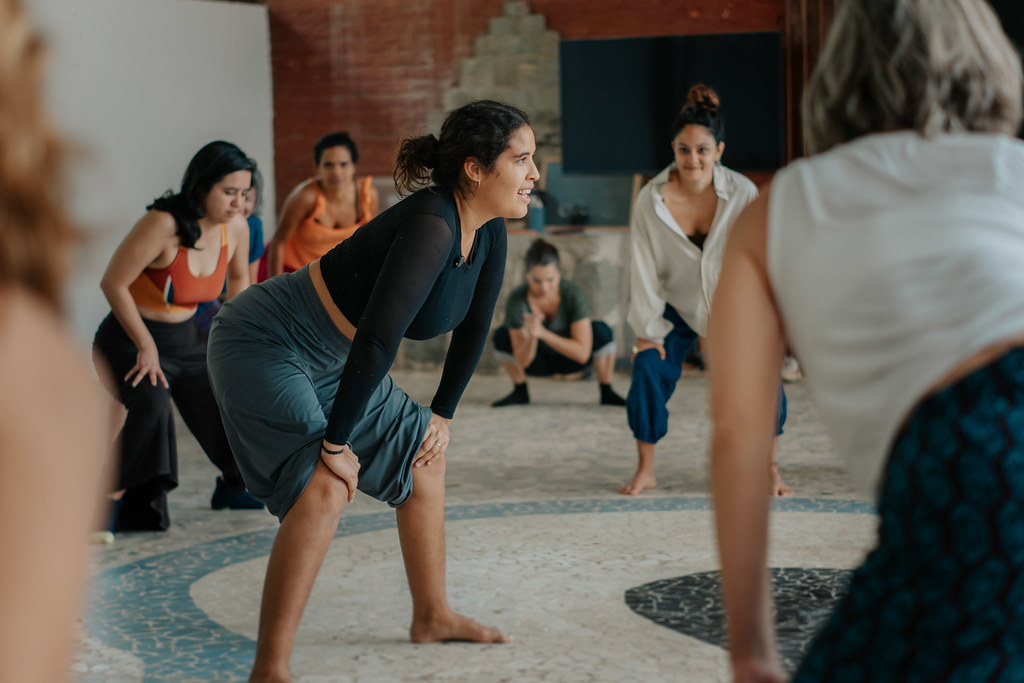
It was also on Saturday (1) that the Confabulations began working directly on the question that guided one of this edition’s central themes: how does feminism name, challenge, and transform the models of masculinity it wants to see in the world? Leaders from organizations, collectives, and movements from different regions of the country shared experiences and repertoires on education, care, communication, violence prevention, and the transformation of gender relations.
The Confabulations were built in three movements. On Saturday morning, the group started from headlines, news, speeches, and ideas circulating in common sense to identify the systems that sustain these narratives. In the afternoon, the discussion moved on to the worldviews, beliefs, and myths that organize the world as we live it today.
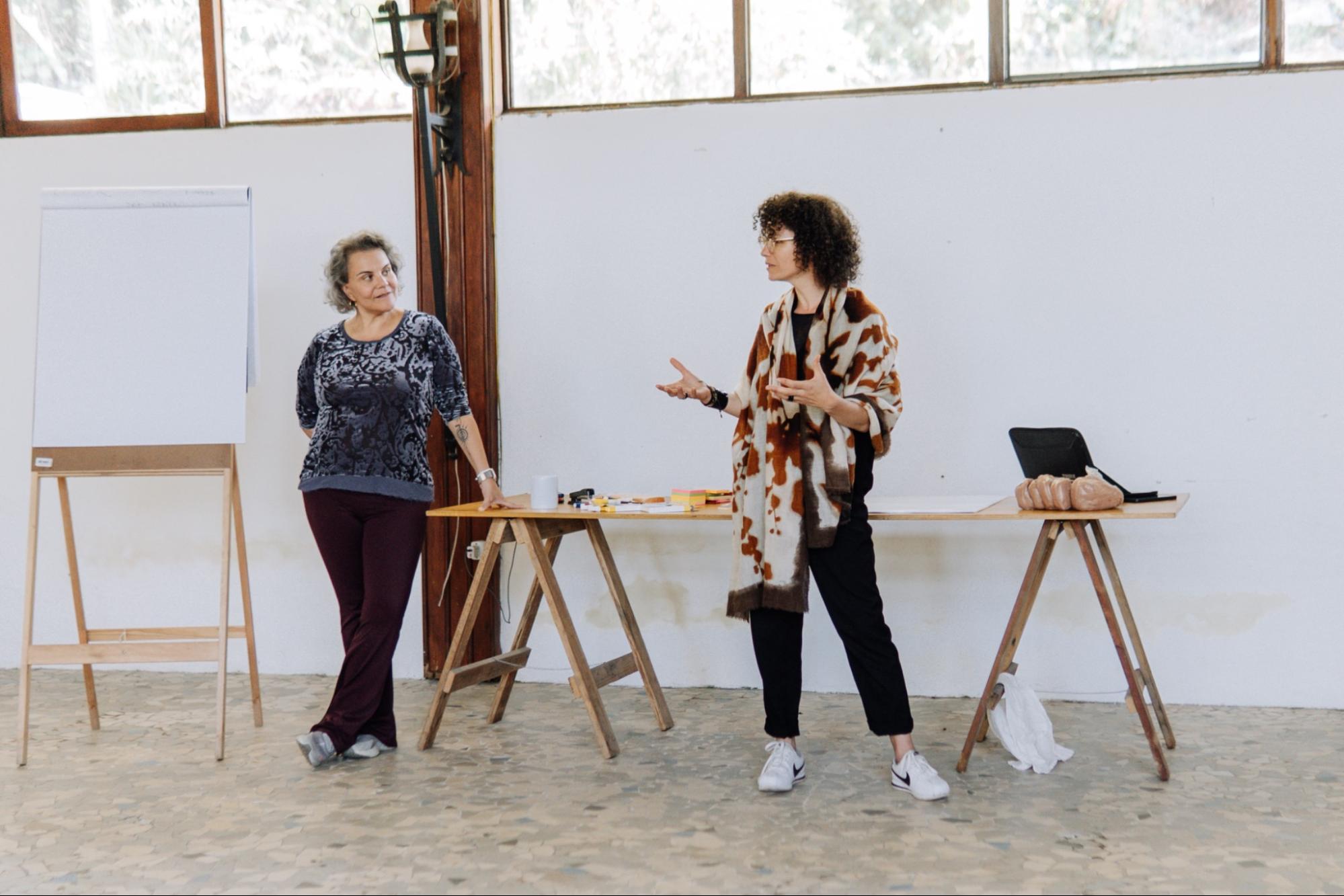
In the afternoon, Rachel Nascimento led Teatro das Oprimidas: Estéticas Feministas para Poéticas Políticas [Theatre of the Oppressed Women: Feminist Aesthetics for Political Poetics], weaving together body, sharing, and collective creation. A new session of Building Ways Out returned to psychoanalysis and the politics of care within the CAT program.
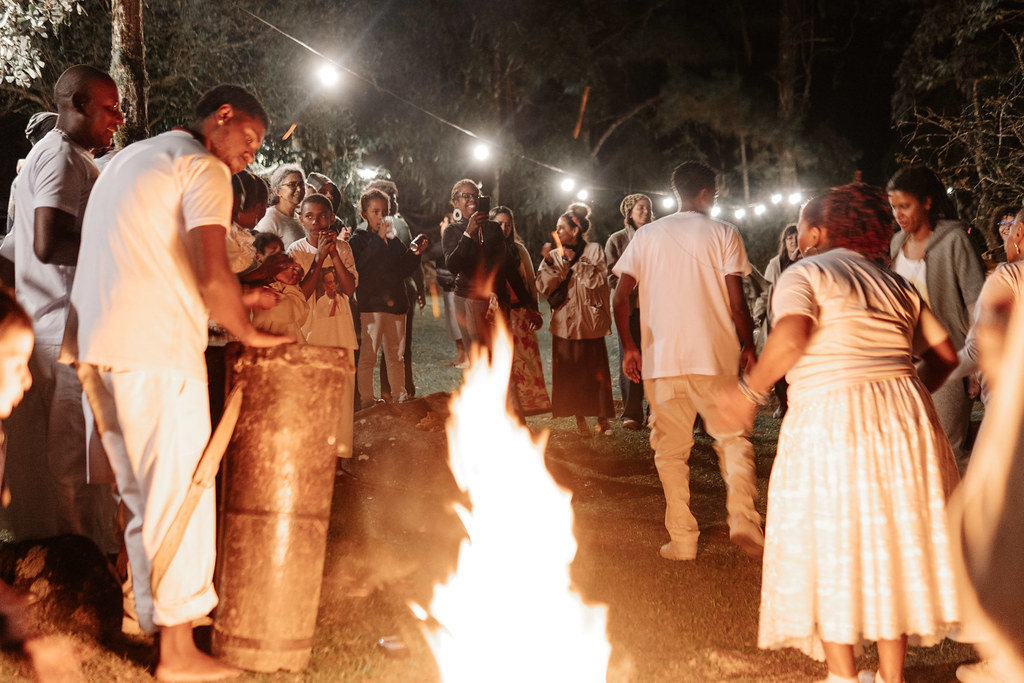
In the evening, singing, drumming, dance, and circle filled Silo’s gardens with the Jongo of Quilombo São José da Serra, from Valença (RJ). The performance closed the edition’s cultural program with an Afro-Brazilian practice sustained by memory, intergenerational transmission, and the quilombo’s collective organization.
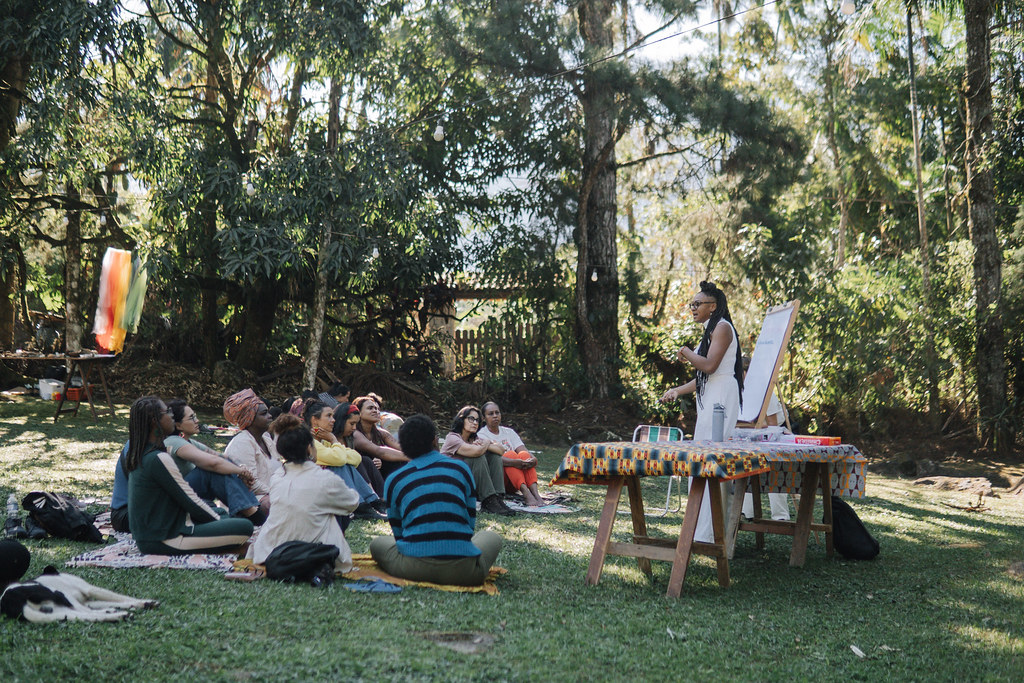
August 2 | What remains after the gathering
Sunday returned to questions built over the previous days. Nanda Rocha held a new Kemetic Yoga practice, this time in Silo’s garden. At the Tourist Assistance Center, Leonardo Piamonte led the circle Ser Homem Não Tá Fácil [Being a Man Isn’t Easy], aimed at men from Serrinha. The activity brought the masculinities axis directly to the community and created a space for conversation about care, responsibility, and gender relations. Taking place at the CAT and aimed at local residents, the discussion reached different interlocutors from those gathered in the feminist immersion.
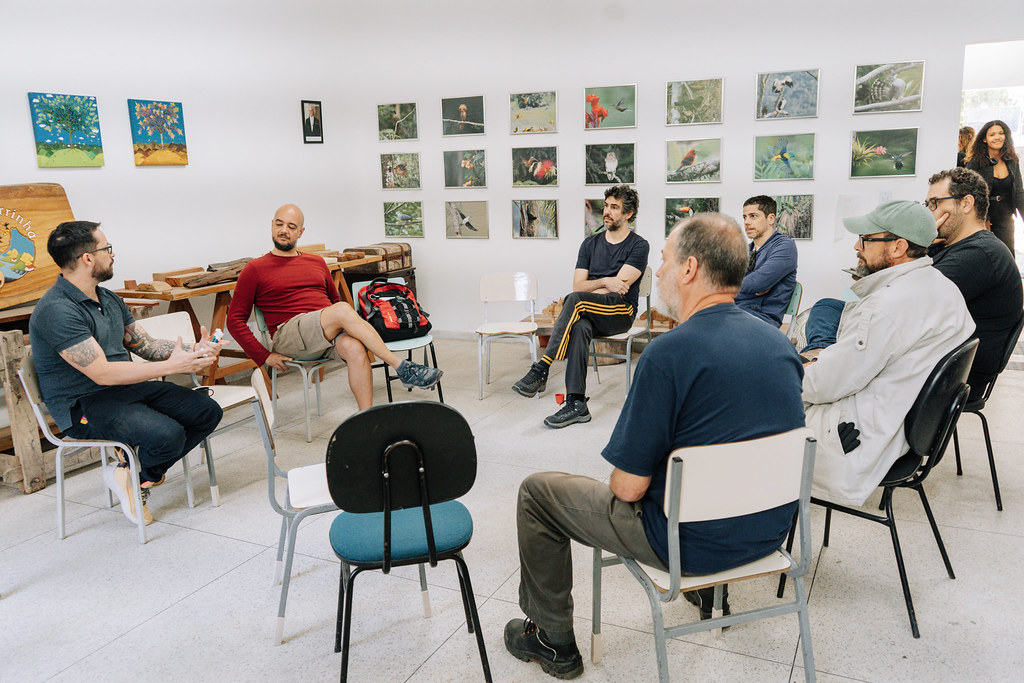
The Confabulations continued their work on masculinities. On Sunday, the final stage turned to imagining other futures, seeking new references and possibilities for coexistence capable of guiding paths of transformation. Drawing on new myths and other possibilities for coexistence, the group began to sketch paths capable of transforming the structures we know. The two groups — from the Ser Homem Não Tá Fácil circle and from the Confabulations — then came together to reflect jointly on what they had discussed and worked on that day.
The contributions produced during the immersion are guiding the development of a message manual on future, care-centered masculinities, designed to support the communications of Brazilian feminist organizations.
The kitchen was also a place of gathering
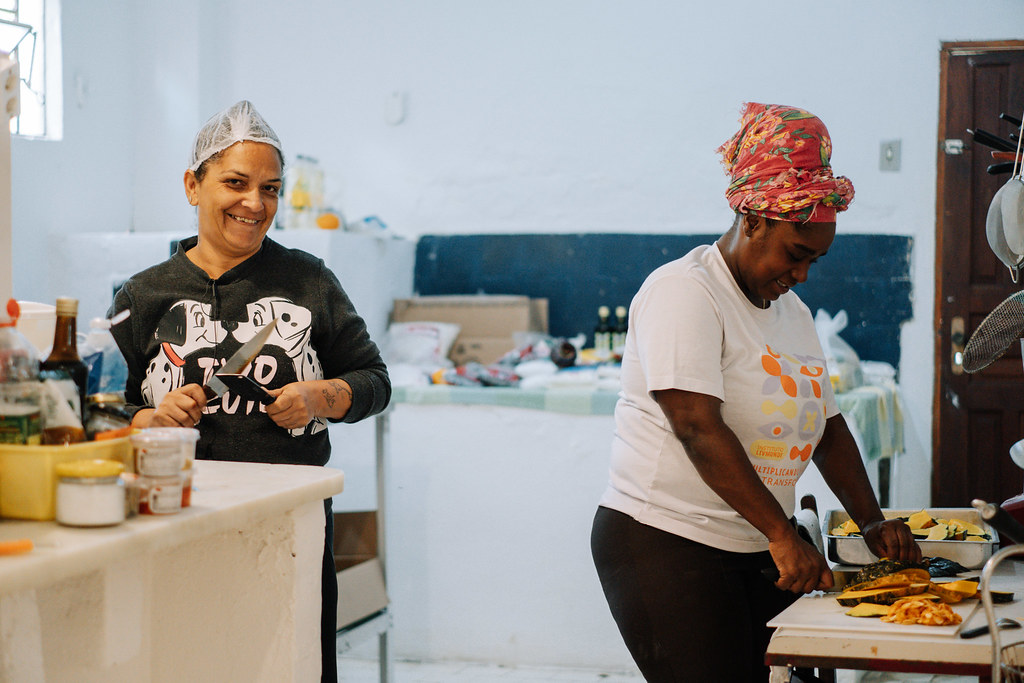
Leading the menu over the four days was the collective Mulheres em Ação, from the Solidarity and Collective Kitchen of CEM – Centro de Integração, in Serra da Misericórdia, in Penha, in the north zone of Rio de Janeiro. For more than ten years, CEM has been weaving together agroecology, popular education, and food sovereignty in the Serra da Misericórdia territory. Mulheres em Ação contributes to this work through a kitchen that values the full use of food, incorporating peels, stalks, and other parts of ingredients into its recipes.
Breakfasts, lunches, and dinners were prepared daily, with ingredients coming mostly from local producers.
Around the table, participants, coordinators, facilitators, and staff met outside the scheduled program, shared stories, and continued conversations begun in workshops and circles. A four-day program also depends on those who care for the bodies that sustain it. That is why the kitchen was a fundamental part of EncontrADA.
Caring for childhood is also creating conditions for the gathering
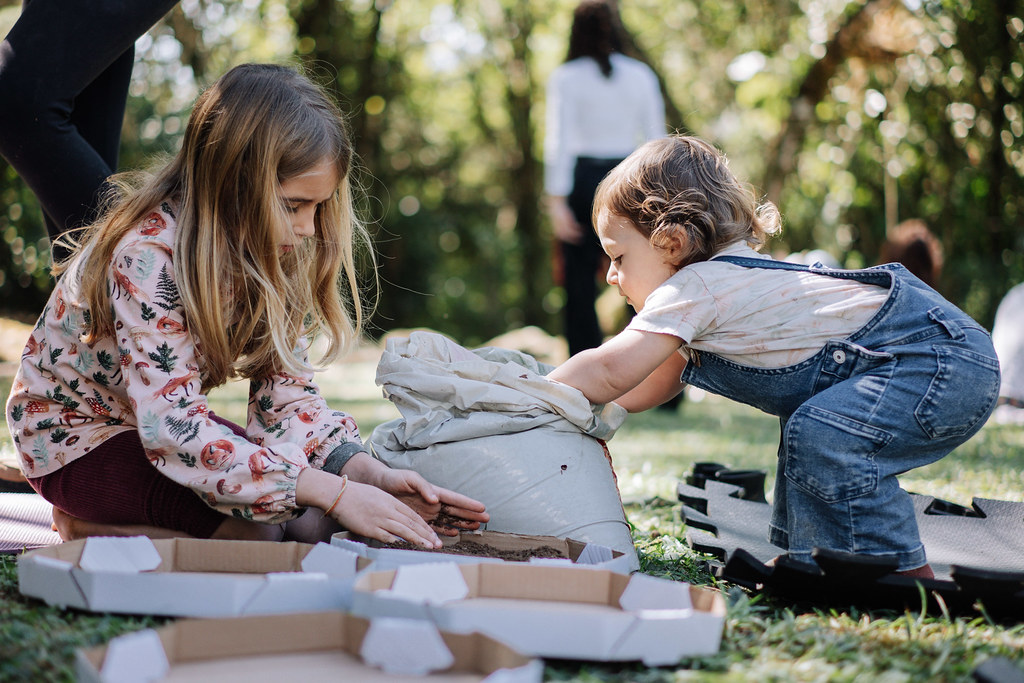
Over the four days, Cecília Bianco led the children’s workshops, creating a space of experimentation and togetherness for children. Seeds, stones, flowers, clay, and other elements found in nature became materials for creation. Children had their own program, with activities such as Alquimia das Cores [Alchemy of Colors], Impressões Botânicas [Botanical Prints], Contação de Histórias [Storytelling], and Bombas de Semente [Seed Bombs]. The activities created spaces for experimentation, contact with nature, and learning, integrating children into the EncontrADA experience.
This program also played a practical and important role: allowing mothers to take part in workshops, circles, and other activities with more ease, knowing their children were accompanied and engaged in experiences designed for them.
Entanglements beyond the four days
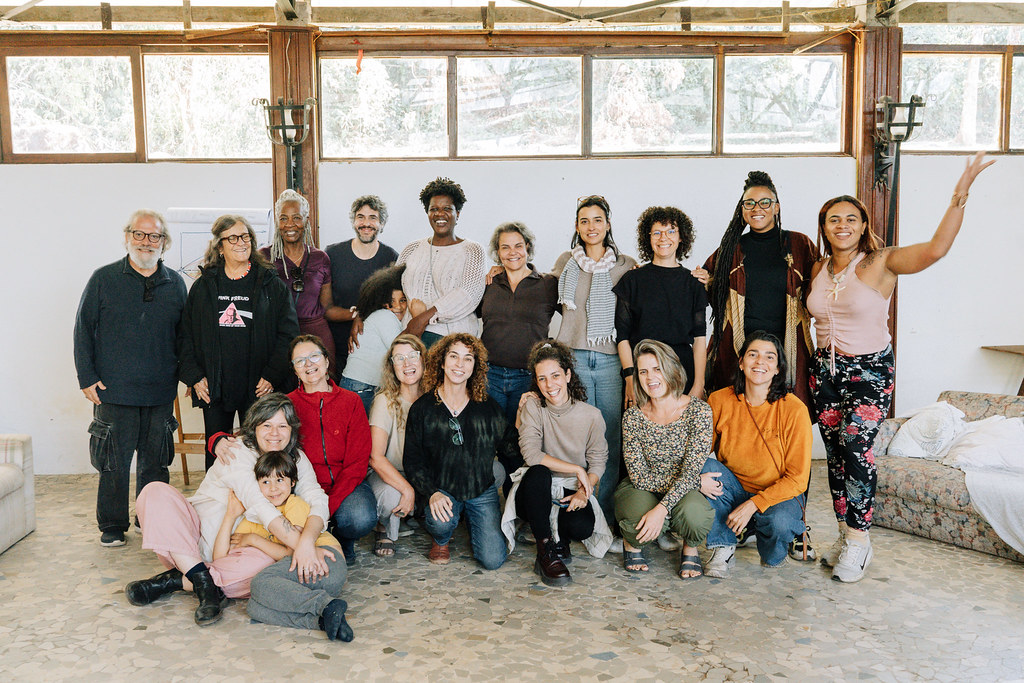
Over four days, Serrinha do Alambari hosted many encounters. Between workshops, conversation circles, body practices, children’s activities, debates on masculinities, Confabulations, shared meals, and cultural programming, people of different generations, territories, and trajectories occupied Silo and other spaces in the community.
EncontrADA reached its eighth edition in 2026. Since 2012, each gathering has drawn on the questions of its time to create spaces for togetherness, knowledge exchange, and collective construction.
Learn more about previous editions of EncontrADA by clicking here.




 CC BY-SA 4.0